




+86 188 6629 8185

+86 188 6629 8185


603739.SH
In an era where sustainable energy sources are paramount, the biofuel industry is facing significant challenges related to efficiency and cost. Users often seek ways to enhance yield and reduce waste in biofuel production. This is where enzymes come into play, offering a viable solution. Vland specializes in providing high-quality Industrial Enzymes that help optimize biofuel production. By focusing on enzyme efficiency, producers can significantly increase their production rates while lowering operational costs.
Industrial enzymes serve as biocatalysts that accelerate chemical reactions in the biofuel production process. They are critical in breaking down complex materials such as cellulose and starch, which are commonly sourced from agricultural residues and food waste. When enzymes are introduced into the biofuel production cycle, they can enhance the overall yield by improving the conversion of biomass into fermentable sugars. According to a study published in the Bioresource Technology journal, utilizing specific cellulolytic enzymes can lead to a conversion efficiency increase of up to 29% in cellulosic ethanol production.
Before integrating enzymes into biofuel production, prepare the following materials and tools:
Follow these clear, actionable steps to integrate enzymes into your biofuel production process:
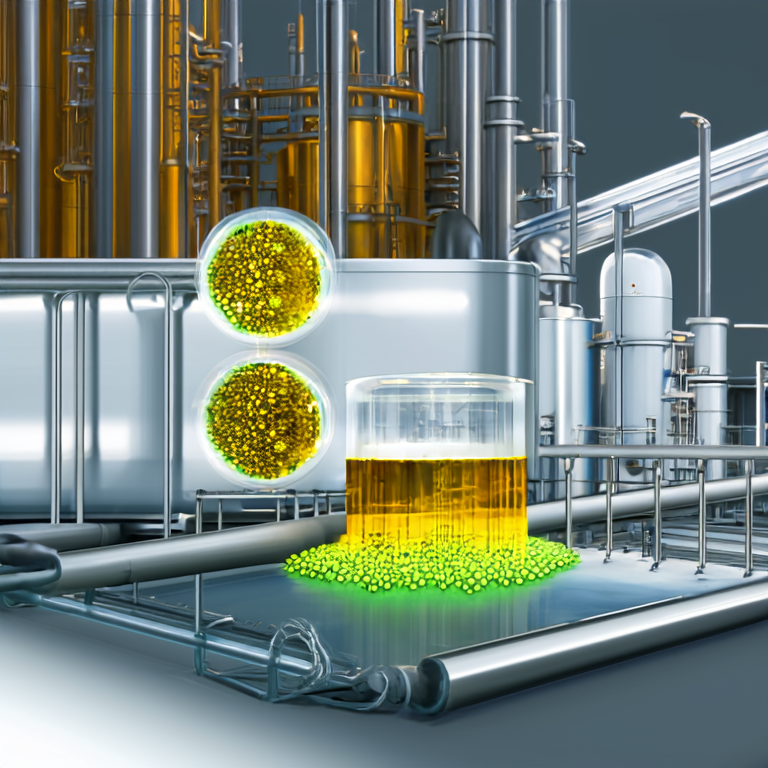
Here are some common challenges faced during the enzyme integration process and their solutions:
Enzymes are invaluable in enhancing the efficiency of biofuel production. By utilizing industrial enzymes from Vland, producers can achieve significant improvements in yield and lower production costs. As biofuel markets continue to evolve, embracing enzyme technology will be vital for sustainable development.
Previous post:
How Industrial Enzymes Reduce Manufacturing CostsNext chapter:
How to Optimize Enzyme Dosage in Feed FormulationsProducts Category

Related Products

Phytase is a new type of heat stable phytase developed by Vland R&D Center with gene engineering technology. It is suitable for feed pelleting with a pelleting temperature up to 90℃.

KDN lipase is an efficient lipase product developed by Vland Biotech for piglets, poultry and aquaculture to improve their digestion and absorption of lipids in feed.

KDN Xylanase is a non-starch polysaccharides (NSP) enzyme, which can decompose xylans, reduce chyme viscosity and improve the utilization and absorption of nutrients.

KDN Glucanase is a β-Glucanase product containing endo-1,3 (4)-glucanase. Produced by submerged fermentation and particular downstream processing technologies, KDN Glucanase is specifically used to degrade anti-nutritional factor (ANF) of glucans in feed ingredients of plant origin.


