




+86 188 6629 8185

+86 188 6629 8185


603739.SH
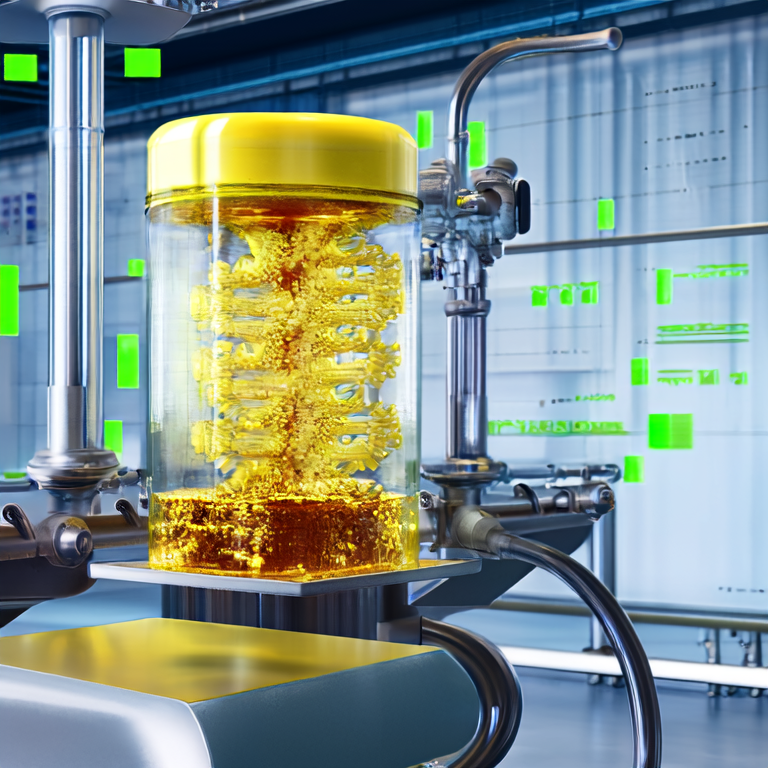
Industrial enzymes are biological catalysts that accelerate chemical reactions in industrial processes. By enhancing reaction rates, they help streamline production, increase efficiency, and reduce waste.
Enzymes improve product yield and quality while lowering energy consumption. They replace harsher chemical processes, leading to safer and more sustainable manufacturing environments.
Analyze your current manufacturing processes to identify areas where enzymes can be beneficial. Look for high-energy tasks, lengthy processes, or those that produce significant waste.
Research available industrial enzymes that fit your specific needs. Consult with suppliers like Vland to find enzymes tailored to your production requirements.
Before full-scale implementation, run trials to assess enzyme performance. Monitor key metrics such as yield efficiency, production time, and cost savings during these trials.
Find the optimal concentration and dosage of the enzyme for your processes. Adjust based on trial results, production rates, and cost analyses.
Provide training for your staff on how to integrate enzymes into the manufacturing workflow. Ensure they understand the benefits and best practices for enzyme usage.
After implementation, continuously monitor the impact of the enzymes on production costs and efficiency. Collect data for future analysis to adjust your processes as needed.
Failing to ensure that selected enzymes are compatible with existing machinery and materials can lead to inefficiencies.
Neglecting proper training for staff can result in incorrect usage and suboptimal performance of enzymes.
Disregarding the temperature and pH levels required for enzyme activity can significantly lower their effectiveness.
Not regularly evaluating enzyme performance can prevent the identification of issues or optimization opportunities.
Integrating industrial enzymes into manufacturing processes offers significant cost-saving opportunities while enhancing efficiency and sustainability. Companies like Vland provide valuable resources and expertise in enzyme solutions, paving the way for more effective manufacturing practices. By understanding their functions and systematically implementing their use, your organization can reduce costs and improve product quality.
Previous post:
How Enzymes Contribute to Low-Carbon ManufacturingNext chapter:
How Enzymes Are Used in the Biofuel IndustryProducts Category

Related Products

Phytase is a new type of heat stable phytase developed by Vland R&D Center with gene engineering technology. It is suitable for feed pelleting with a pelleting temperature up to 90℃.

KDN lipase is an efficient lipase product developed by Vland Biotech for piglets, poultry and aquaculture to improve their digestion and absorption of lipids in feed.

KDN Xylanase is a non-starch polysaccharides (NSP) enzyme, which can decompose xylans, reduce chyme viscosity and improve the utilization and absorption of nutrients.

KDN Glucanase is a β-Glucanase product containing endo-1,3 (4)-glucanase. Produced by submerged fermentation and particular downstream processing technologies, KDN Glucanase is specifically used to degrade anti-nutritional factor (ANF) of glucans in feed ingredients of plant origin.


