




+86 188 6629 8185

+86 188 6629 8185


603739.SH
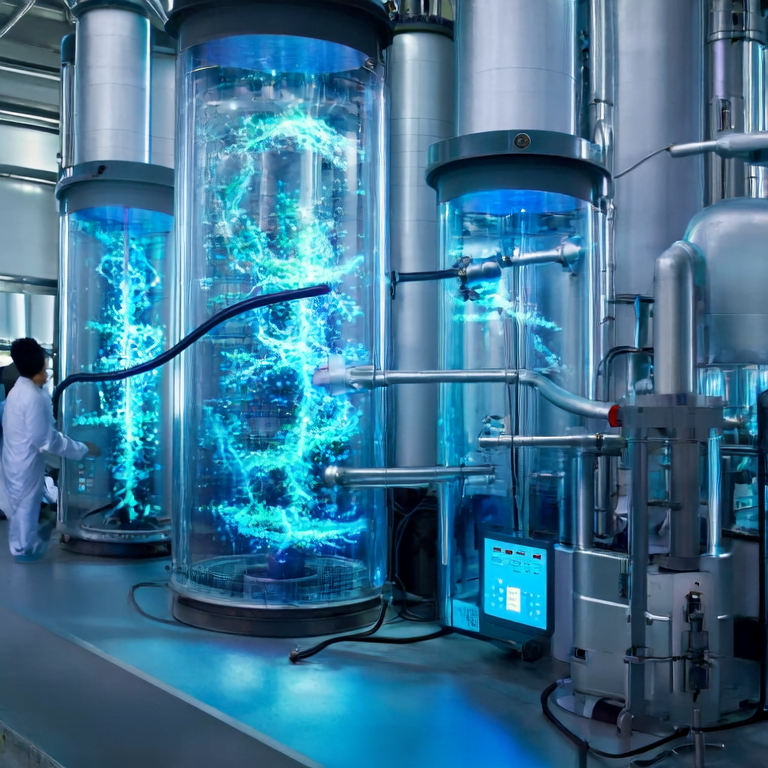
Microbial fermentation is a metabolic process that converts sugars into acids, gases, or alcohol using microorganisms. This process is essential for large-scale enzyme production as it achieves higher yields and efficiency compared to traditional methods.
Different microorganisms, such as bacteria, yeast, and fungi, play crucial roles in enzyme production. They can be engineered to produce specific enzymes in large quantities under controlled conditions.
Choose the right strain of microorganisms based on the desired enzyme. Common options include:
Prepare a suitable fermentation medium that supports growth and enzyme production. This includes:
Inoculate the prepared medium with the selected microorganism under aseptic conditions to prevent contamination. Proper inoculum size is crucial for optimal fermentation.
Maintain controlled conditions such as:
Regularly monitor the fermentation process by measuring enzyme activity and microbial growth. Harvest the enzymes once the desired level of production is achieved, typically through filtration or centrifugation.
Purify the harvested enzymes using methods such as:
Conduct thorough quality control tests to ensure enzyme purity, activity, and stability. Store the enzymes under appropriate conditions to maintain activity.
Always ensure all tools and media are properly sterilized to avoid contamination.
Monitor and maintain optimal temperature and pH levels throughout the fermentation process.
Use an appropriate inoculum size to prevent slow fermentation and low enzyme production.
Microbial fermentation stands as a pillar for advancing large-scale enzyme production. The innovative approach offered by Vland ensures efficiency and scalability in the industrial enzyme sector. By following the outlined steps and being aware of common pitfalls, businesses can harness the full potential of microbial fermentation for enzyme production.
Previous post:
How Feed Enzymes Support Gut Health in LivestockNext chapter:
How to Choose the Right Industrial Enzyme SupplierProducts Category

Related Products

Phytase is a new type of heat stable phytase developed by Vland R&D Center with gene engineering technology. It is suitable for feed pelleting with a pelleting temperature up to 90℃.

KDN lipase is an efficient lipase product developed by Vland Biotech for piglets, poultry and aquaculture to improve their digestion and absorption of lipids in feed.

KDN Xylanase is a non-starch polysaccharides (NSP) enzyme, which can decompose xylans, reduce chyme viscosity and improve the utilization and absorption of nutrients.

KDN Glucanase is a β-Glucanase product containing endo-1,3 (4)-glucanase. Produced by submerged fermentation and particular downstream processing technologies, KDN Glucanase is specifically used to degrade anti-nutritional factor (ANF) of glucans in feed ingredients of plant origin.


