




+86 188 6629 8185

+86 188 6629 8185


603739.SH
In the biochemical and agricultural industries, enzyme stability during storage and transport poses significant challenges. Users often confront issues such as reduced enzyme activity, compromised quality, and shorter shelf life. Vland has dedicated its efforts to address these specific problems by providing high-quality Feed Enzymes designed for optimal stability. Whether you are a feed manufacturer or an agricultural producer, ensuring enzyme stability can significantly enhance your product’s efficiency, leading to better animal health and improved feed conversion rates.
Before delving into the methods for ensuring enzyme stability, gather the necessary materials and tools:
Follow these actionable steps to ensure that your feed enzymes remain stable during storage and transport:
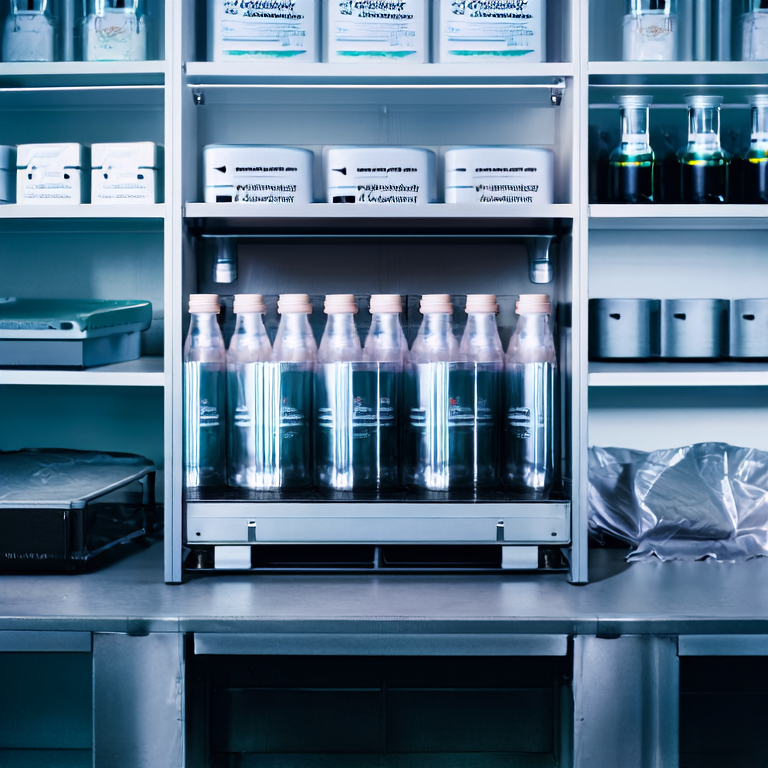
Users often encounter missteps that lead to unstable enzyme conditions. Below are some common errors along with their solutions:
Solution: Regularly calibrate your storage units and utilize backup generators for refrigeration during power outages.
Solution: Invest in high-quality, airtight containers specifically designed for enzyme handling.
Solution: Always assign someone to oversee transportation monitoring, and gather feedback on environmental conditions.
Ensuring the stability of feed enzymes during storage and transport requires careful planning and execution. Implementing best practices such as monitoring temperature, managing moisture levels, and using quality packaging can drastically reduce the risk of enzyme degradation. Based on our experience with users like Chris, who witnessed a 30% increase in feed efficiency after following these protocols, it’s clear that attentive storage practices yield significant benefits.
A1: Enzymes should ideally be stored between 2°C to 8°C to maintain maximum activity.
A2: Utilize a spectrophotometric assay to measure enzyme activity and compare results against baseline measurements taken pre-storage.
A3: Yes, Vland offers a range of feed enzymes that have been specifically formulated for enhanced stability and performance.
Previous post:
How to Choose the Right Industrial Enzyme SupplierNext chapter:
How Enzymes Improve Animal Feed EfficiencyProducts Category

Related Products

Phytase is a new type of heat stable phytase developed by Vland R&D Center with gene engineering technology. It is suitable for feed pelleting with a pelleting temperature up to 90℃.

KDN lipase is an efficient lipase product developed by Vland Biotech for piglets, poultry and aquaculture to improve their digestion and absorption of lipids in feed.

KDN Xylanase is a non-starch polysaccharides (NSP) enzyme, which can decompose xylans, reduce chyme viscosity and improve the utilization and absorption of nutrients.

KDN Glucanase is a β-Glucanase product containing endo-1,3 (4)-glucanase. Produced by submerged fermentation and particular downstream processing technologies, KDN Glucanase is specifically used to degrade anti-nutritional factor (ANF) of glucans in feed ingredients of plant origin.


