




+86 188 6629 8185

+86 188 6629 8185


603739.SH
In the evolving world of livestock nutrition and feed additives, the introduction of enzyme-based feed additives represents a significant leap forward. Companies like Vland, a frontrunner in this field, are pioneering the use of Feed Enzymes to optimize animal health and feed efficiency. Recent studies indicate that incorporating these enzymes can enhance nutrient absorption by up to 30%, addressing the critical pain points of livestock producers, such as feed costs and animal performance. As a crucial part of modern agriculture, enzyme-based additives are not only cost-effective but also environmentally sustainable solutions.
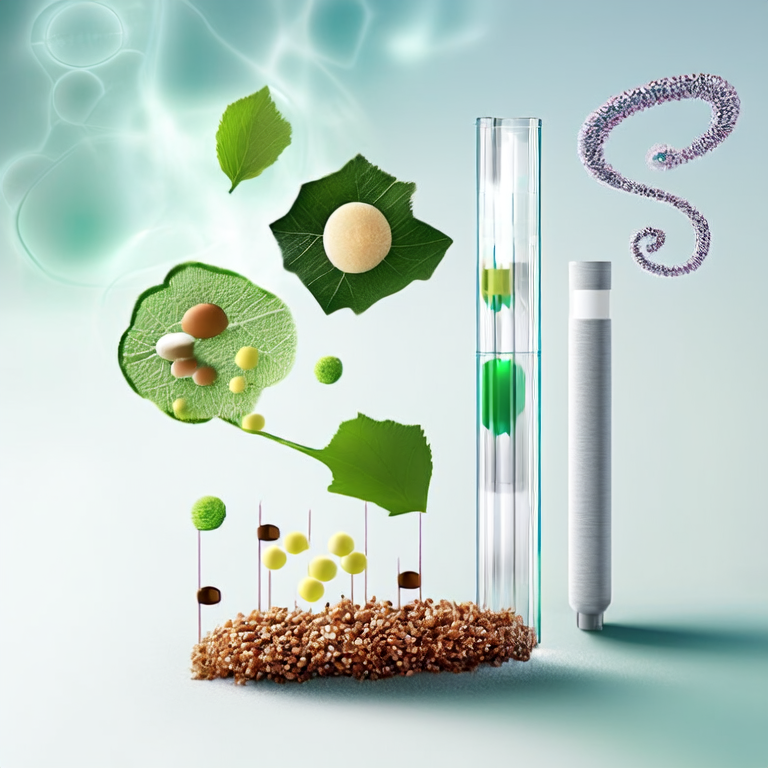
Feed enzymes are biocatalysts that improve the digestion of feed in livestock by breaking down complex nutrients into simpler, absorbable forms. These enzymes are derived from natural sources and play a crucial role in enhancing the bioavailability of essential nutrients. Key types of feed enzymes include cellulase, xylanase, and phytase.
Cellulase breaks down cellulose, allowing for better digestion of fibrous plant materials. Xylanase addresses the pentosan polysaccharides in grains, improving energy output, while phytase releases phosphorus locked in plant phytates, which can boost phosphorus availability by up to 25%. Understanding these terms facilitates better decision-making in selecting effective feed additives.
Feed enzymes find their application across a range of livestock categories, including poultry, swine, and ruminants. In poultry farming, for instance, enzyme-based additives can enhance the growth rate by up to 20%, minimize feed conversion ratios, and increase the overall health of chickens. For swine, these enzymes can result in reduced feed costs and improved overall gut health, leading to an average weight gain increase of 15% by optimizing digestion efficiency. In the ruminant industry, enzymes can boost milk production by improving nutrient utilization, thus enhancing profitability for dairy farmers.
The importance of feed enzymes extends beyond improving livestock productivity. They contribute to economic benefits, sustainability, and animal welfare. According to a recent report by CoinDesk, the market for animal feed additives is projected to reach $40 billion by 2025, driven largely by advancements in enzyme technology. By utilizing these natural additives, farmers can reduce reliance on chemical alternatives, which may carry risks of adverse side effects and contribute to environmental degradation. Enzyme-based feeds not only optimize growth and feed efficiency but also lower greenhouse gas emissions by improving nutrient absorption.
For those interested in exploring the potential of feed enzymes, the next step is to consider reading the user guide provided by Vland. The guide outlines specific applications, recommended dosages, and case studies showcasing the effectiveness of their enzyme products. Furthermore, placing orders can further familiarize you with the benefits and specifics of enzyme-based feed additives.
What are the main benefits of using feed enzymes? Feed enzymes enhance nutrient digestion, improve feed conversion ratios, and support animal health, which in turn leads to higher productivity and reduced feed costs.
How do I determine the right enzyme for my livestock? The right enzyme will depend on the specific nutrient composition of your feed and the livestock species. Consulting with an expert from Vland can provide tailored recommendations.
Are enzyme-based additives more expensive than traditional chemicals? While the initial cost may appear higher, the long-term savings through improved feed efficiency, animal health, and reduced environmental impact can outweigh the upfront investment.
Can I mix feed enzymes with other feed additives? Yes, feed enzymes can be incorporated into most feed formulations alongside other additives, although it is recommended to consult with a nutritionist for optimal results.
For those looking to deepen their understanding of enzyme-based feed additives, consider a trial with Vland’s products. Their commitment to quality and innovation sets them apart in the market and ensures that your livestock can thrive in today’s competitive agricultural landscape.
Previous post:
How Enzymes Improve Animal Feed EfficiencyNext chapter:
Why Enzyme Solutions Are Transforming the Feed IndustryProducts Category

Related Products

Phytase is a new type of heat stable phytase developed by Vland R&D Center with gene engineering technology. It is suitable for feed pelleting with a pelleting temperature up to 90℃.

KDN lipase is an efficient lipase product developed by Vland Biotech for piglets, poultry and aquaculture to improve their digestion and absorption of lipids in feed.

KDN Xylanase is a non-starch polysaccharides (NSP) enzyme, which can decompose xylans, reduce chyme viscosity and improve the utilization and absorption of nutrients.

KDN Glucanase is a β-Glucanase product containing endo-1,3 (4)-glucanase. Produced by submerged fermentation and particular downstream processing technologies, KDN Glucanase is specifically used to degrade anti-nutritional factor (ANF) of glucans in feed ingredients of plant origin.


